What light pollution actually is
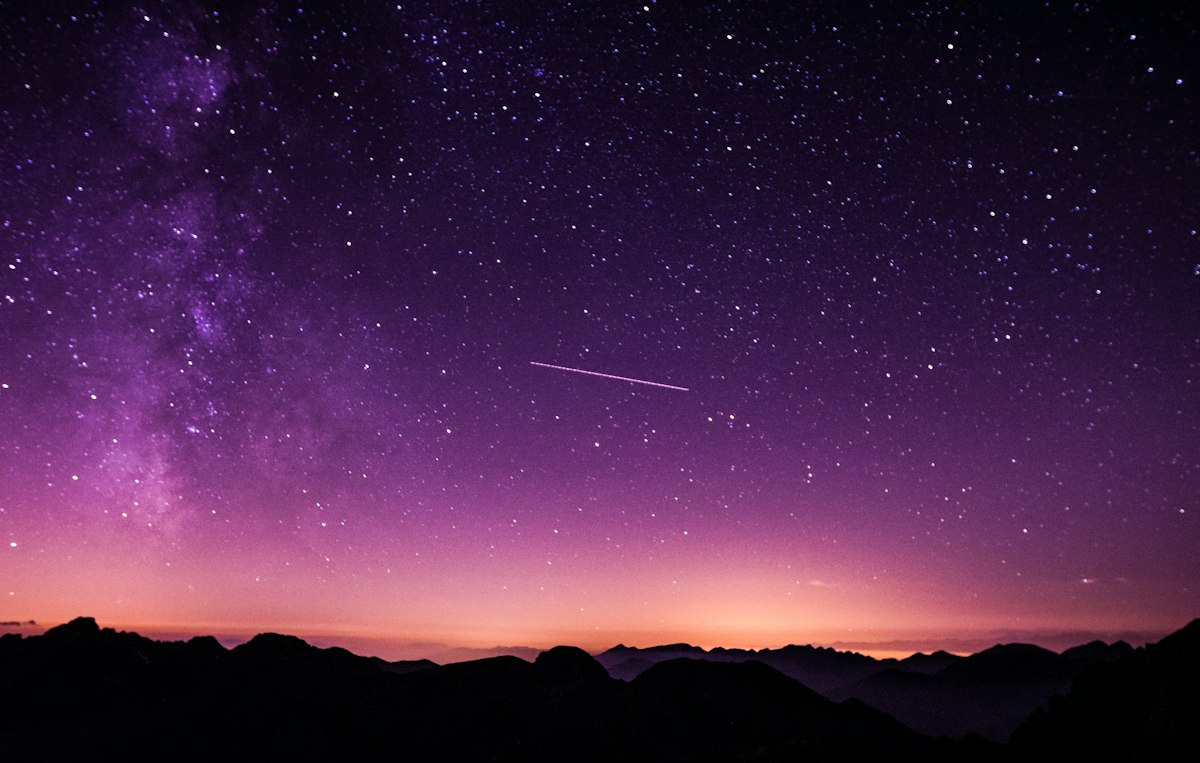
Light pollution is misdirected or excessive artificial light: glare, clutter, and skyglow that scatters in the atmosphere. Satellites and ground monitors show large regions where the Milky Way is effectively invisible to the naked eye.
LEDs lowered energy cost per lumen, which sometimes increased total emissions when cities "spent the savings" as brighter streets.
Ecological and human costs
Nocturnal animals navigate and forage using darkness cues. Chronic skyglow disrupts those behaviors. For humans, late bright light — especially blue-rich spectra — can delay circadian timing when it reaches eyes at night.
Communities also lose a shared reference: the night sky as commons. That loss is cultural as much as scientific.
Fixes that do not require abandoning safety
Shield fixtures so light goes down, not into bedrooms and clouds. Use the minimum brightness required, warmer color temperatures where appropriate, and curfews for decorative lighting.
Citizen maps and local ordinances have moved policy in multiple cities. Darker nights can coexist with walkable streets when engineering follows intent.
What you can do at home
Start with your own fixtures. A fully shielded outdoor light — one that aims down and blocks upward spill — does the same job as an exposed bulb while sending far less light into the sky. Motion sensors and timers cut hours of pointless glow, and warmer color temperatures are easier on neighbors and on circadian rhythms than harsh blue-white light.
Then look outward. Curtains keep indoor light indoors. A conversation with a homeowners association or a local council about shielding, dimming, and curfews for decorative lighting often finds more support than expected, because the fix costs little and nobody actually likes glare in their bedroom window.
What we lose when the stars disappear
The loss is practical before it is poetic. Astronomy has long been the gateway science — the subject that pulls children into telescopes, physics, and engineering. A generation that never sees the Milky Way loses the easiest invitation into science there is, and the loss shows up years later in classrooms, not on the night of the first missed star.
There is also a quieter cost. A dark sky gives a sense of scale that no screen reproduces: the feeling of being small under something vast. People describe it as calming, and the research on awe and wellbeing points in the same direction. When the sky glows orange every night, that particular kind of quiet simply stops being available.
How the night changed within living memory
For most of human history, the night sky was the brightest thing anyone saw after sunset. Gas lamps, then electric streetlights, then LEDs each pushed the glow further, and each generation grew up under a brighter sky than the one before it. The change happened fast — within a few human lifetimes, the view that shaped calendars, navigation, and storytelling for thousands of years became something most city dwellers never see.
LEDs made the shift stranger. They use less energy per unit of light, so cities could afford more of it — brighter streets, lit facades, glowing signs — and total brightness kept climbing even as each bulb got more efficient. Engineers call this the rebound effect: savings get spent on more light rather than banked as darkness.
Dark-sky places worth protecting
Some parks and rural communities have chosen to protect their darkness the way others protect watersheds — with lighting rules, public education, and limits on new glare. These places draw visitors who travel specifically for the stars, which gives local businesses a reason to defend the dark rather than light it up.
If you visit one, the etiquette is simple: use a red flashlight instead of white, keep headlights dipped on approach, and let your eyes adapt for twenty minutes before deciding the sky is empty. The Milky Way often appears only after patience — which is, in a way, the whole point.